

Disclaimer:
This is a popular science article, which aims to popularize the relevant knowledge in the field and promote science communication.
The video, pictures, text and other materials used in this article, if involved in the copyright of works, please contact us in a timely manner, we will properly handle according to law.
In addition, if there are errors in the content of the article, or inconsistent with the original journal article point of view, conclusion, also welcome to inform us, we will be the first time to modify, delete and so on.
At the same time, we warmly welcome scientific researchers and science enthusiasts in related fields to contribute, recommend, or discuss cooperation to jointly promote the development of industrialization.
A collaborative team from Xi'an Jiaotong University (He Jiankang, Mao Mao) and Southwest Medical University (Peng Jianhua, Jiang Yong) has reported a leaf-mimicking microvascular network (LMM network) for injury repair after ischemic stroke. This biomimetic transplantable scaffold can integrate with host cerebral blood vessels, promote neovascularization, improve cerebral perfusion, reduce cerebral infarct volume, and simultaneously remodel the neuro-immune-vascular microenvironment within the brain, providing a novel preclinical therapeutic strategy for peri-infarct microcirculatory reconstruction in ischemic stroke.
The related work, entitled "Bioinspired microvascular networks for stroke recovery, cerebral revascularization, and neuroprotection," was published in the international journal Trends in Biotechnology.
HIGHLIGHTS: Innovation and Breakthrough
WHAT: Research Content
This study prepared the LMM microvascular network based on leaf-vein biomimetic design, and conducted systematic research ranging from in vitro characterization, subcutaneous validation, stroke model therapy, to immune mechanism analysis:
- A leaf-vein-patterned PDMS microchannel template was prepared to guide the self-assembly of HUVECs and fibrin into the LMM network;
- Intracranial implantation validation was performed in an ischemic stroke mouse model, combined with RNA-seq transcriptomics to analyze geometry-mediated molecular regulatory pathways.
- Cerebral perfusion recovery, neovascularization, and blood-brain barrier stability were evaluated through two-photon intravital imaging and vascular marker staining.
WHY: Research Background and Significance
Ischemic stroke accounts for more than 70% of all strokes and is the leading cause of adult disability. Reperfusion therapies such as intravenous thrombolysis and mechanical thrombectomy can only recanalize macrovessels; more than half of patients still experience microvascular no-reflow after surgery. Sustained cerebral hypoperfusion triggers irreversible neuronal death, ultimately leading to long-term neurological deficits. Existing pro-angiogenic strategies include growth factor delivery, endothelial cell transplantation, and extracellular vesicles, but all have critical limitations: free cells exhibit low survival rates and uneven distribution in the hypoxic infarct microenvironment; acellular carriers cannot provide structural guidance, resulting in chaotic and disordered neovascularization that is difficult to form into a functional perfusion network; and they generally overlook the inhibitory effect of the inflammatory microenvironment in the infarct area on vascular regeneration.
At the same time, simple material scaffolds are difficult to actively regulate immune responses; excessive neutrophil inflammation and NET release further damage microvessels and impede repair. Therefore, there is an urgent clinical need to develop novel stroke repair strategies that possess both structured vascular templating function and immune microenvironment regulation capability.
HOW: the Technologicaledge
1. Overall Preparation Technical Route: Biomimetic Template-Guided Self-Assembly, Scaffold-Assisted Precise Transplantation
Soft lithography was used to prepare a leaf-vein-like hierarchical PDMS microchannel template. Human umbilical vein endothelial cells (HUVECs) were mixed with fibrin hydrogel and injected into the template; after culture, cells were induced to self-assemble into a highly ordered LMM microvascular network. An electrospun PCL elastic scaffold was paired to provide mechanical support, facilitating intact retrieval and surgical transplantation while avoiding structural deformation. 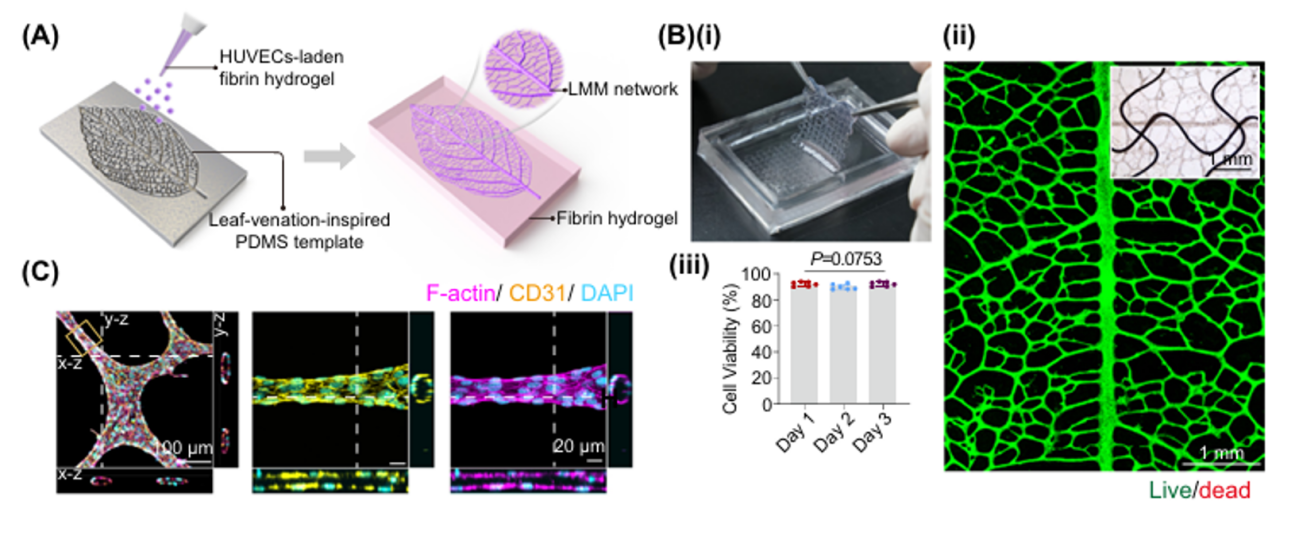
2. Intracranial Implantation Validation in a Photothrombotic Ischemic Stroke Mouse Model
The leaf-vein-like network structure possesses natural advantages of multi-pathway redundancy and low fluidic resistance. Subcutaneous implantation experiments confirmed that the LMM group exhibited significantly higher vascular density than acellular scaffolds; within 28 days, human-mouse chimeric vessels had formed, with some vessels integrated into the host circulation and possessing blood perfusion function.
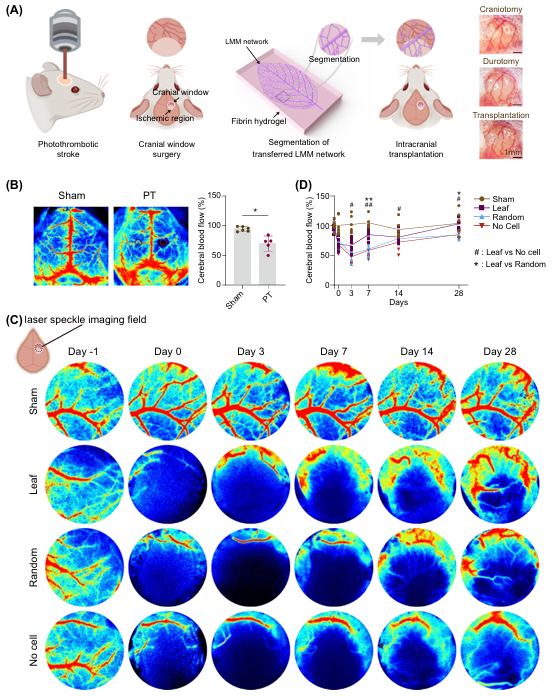
Figure 2 Intracranial implantation validation and vascular remodeling results in the mouse model
3. Remodeling the Immune Microenvironment: Enrichment of N2-Like Reparative Neutrophils, Suppression of NET Inflammatory Injury
Transcriptomics and immunostaining jointly confirmed that after LMM transplantation, N2-like reparative neutrophils were significantly enriched in the peri-infarct region, and the ratio of pro-inflammatory neutrophils was significantly reduced; simultaneously, neutrophil extracellular trap (NET) levels were significantly decreased, inflammatory burden was alleviated, and microglia collaboratively phagocytosed and cleared neutrophils, avoiding sustained inflammation triggered by excessive neutrophil retention, achieving a dynamic balance of "reparative neutrophil enrichment + timely clearance.
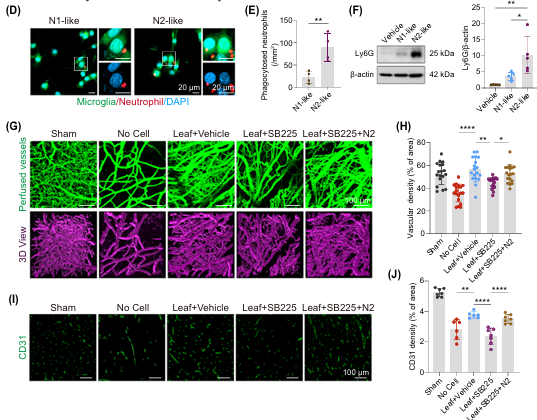
Figure 3 The LMM network remodels the neuro-immune-vascular environment by regulating cellular activity
Conclusions
The leaf-mimicking microvascular network strategy proposed in this study elegantly integrates the dual advantages of hierarchical topological physical templating and active immune microenvironment regulation. Its core value lies in: no longer treating the material scaffold merely as a passive cell carrier, but simultaneously achieving vascular guided generation and immune reprogramming through biomimetic structural design, synergistically resolving the two core challenges of microvascular obstruction and inflammatory injury after stroke, and providing a novel scheme for ischemic stroke repair that possesses both structural function and immune regulation.