

Disclaimer:
This is a popular science article, which aims to popularize the relevant knowledge in the field and promote science communication.
The video, pictures, text and other materials used in this article, if involved in the copyright of works, please contact us in a timely manner, we will properly handle according to law.
In addition, if there are errors in the content of the article, or inconsistent with the original journal article point of view, conclusion, also welcome to inform us, we will be the first time to modify, delete and so on.
At the same time, we warmly welcome scientific researchers and science enthusiasts in related fields to contribute, recommend, or discuss cooperation to jointly promote the development of industrialization.
Successful regeneration of small-diameter vascular grafts requires rapid endothelialization to ensure patency. However, the effective recruitment of circulating endothelial cells to achieve this goal remains a significant challenge. Recently, a team led by He Jiankang, a professor at Xi'an Jiaotong University, and Wu Wei, a professor at the School of Stomatology at the Fourth Military Medical University, designed micro-and nano-structured vascular grafts using high-resolution electro-fluid dynamics printing and electrospinning techniques, it has the function of rapid endothelialization and antithrombotic.
The related technical research results of his team are published in the《Nature Communications》 as“Rapid endothelialization of printed vascular grafts by perivascularniche-circulating endothelial progenitors crosstalk”
Highlights: Innovation and Breakthrough
1. Structural design and fabrication: double-layer micro-nano Vascular Grafts (MnVGs) are fabricated using electro-hydraulic dynamic printing (EHD) , a 3d-like printing technology that combines EHD printing with electrospinning, for the first time, the precise balance between mechanical strength and tissue permeability is achieved, and the core contradiction of traditional design is solved.
2. Mechanism discovery and Innovation: for the first time, it was revealed that lymphatic endothelial cells are the core regulatory cells of early endothelialization of vascular grafts, and the crosstalk mechanism of their directional recruitment of circulating endothelial cells (ECS) through signaling pathways was clarified, discovery of new targets for angiogenesis.
3. Efficacy and theoretical breakthrough: in the rabbit carotid artery model with 15 mm defect, MnVGs can achieve rapid endothelialization 2 weeks after surgery, and the graft patency rate in the rabbit model is 90% , which has the dual function of rapid endothelialization and anti-thrombosis.
WHAT:Research Content
This article addresses the key bottlenecks of small-diameter vascular grafts, such as delayed endothelialization, proneness to thrombosis, and low long-term patency, as shown in Figure 1, micro-nano structured artificial blood vessels (MnVGs) based on electro-hydraulic dynamic printing and electrospinning were developed, which achieved rapid endothelialization and high patency rate, providing a new strategy for small-caliber vascular transplantation.
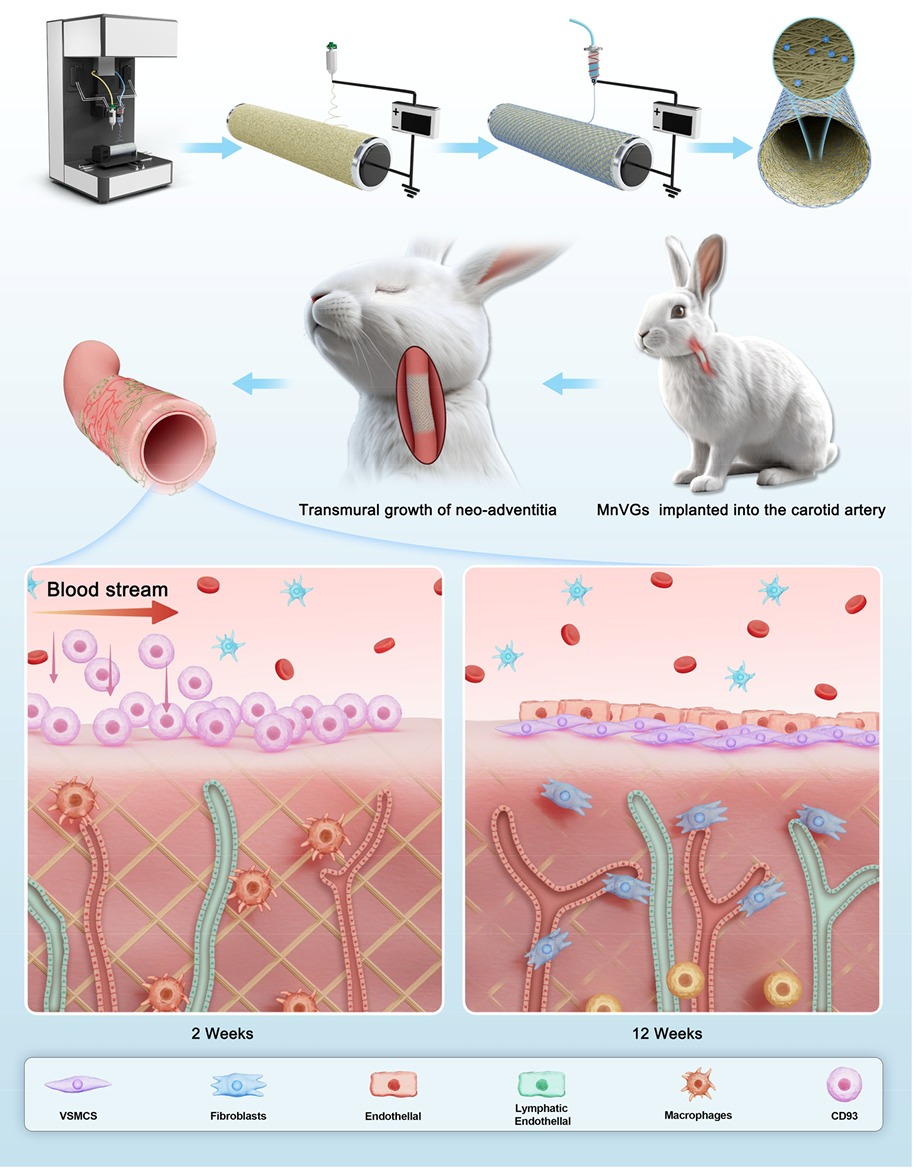
Fig. 1 schematic diagram of MnVGs design and regeneration mechanism Solution: technological edge
1.Preparation and characterization of vascular grafts (MnVGs)
The preparation and multidimensional characterization of micro-nano hierarchical vascular grafts (MnVGs) were studied. Firstly, multi-layer grafts were constructed by Electrospinning + electrohydraulic dynamics (EHD) printing composite process, and the optimal matching of mechanical properties and cell permeability was achieved by adjusting the number of EHD printing layers, then, the micro-morphology, surface roughness, mechanical properties, cell infiltration ability, and anti-thrombotic properties were comprehensively tested, the three-layer structure was proved to have ideal strength, operative maneuverability, selective permeability and antithrombotic property, which can be used for subsequent in vivo experiments.
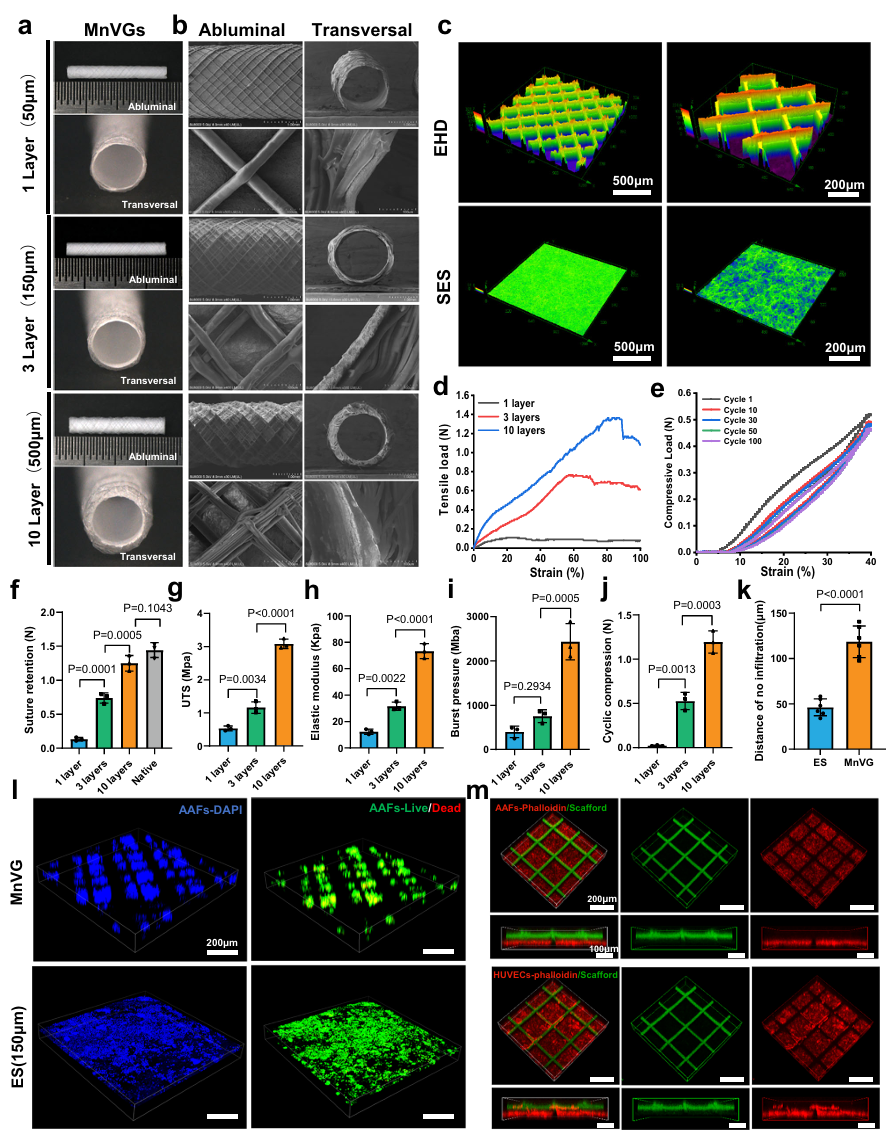
Fig. 2 Fabrication and characterization of MnVGs
2.Neointimal regeneration and rapid endothelialization of vascular grafts (MnVGs)
The process of tissue remodeling, intimal regeneration and endothelialization of MnVGs in vivo was systematically evaluated by histological staining, quantitative analysis of material residues, immunofluorescence staining and scanning electron microscopy, the results confirmed that the hierarchical porous structure of MnVGs could effectively induce the ingrowth of host peripheral tissues, and the wall was densely filled by cells 2 weeks after operation, that is, MnVGs achieved rapid endothelialization by promoting the transmural growth of neoepithelium, to ensure high graft patency.
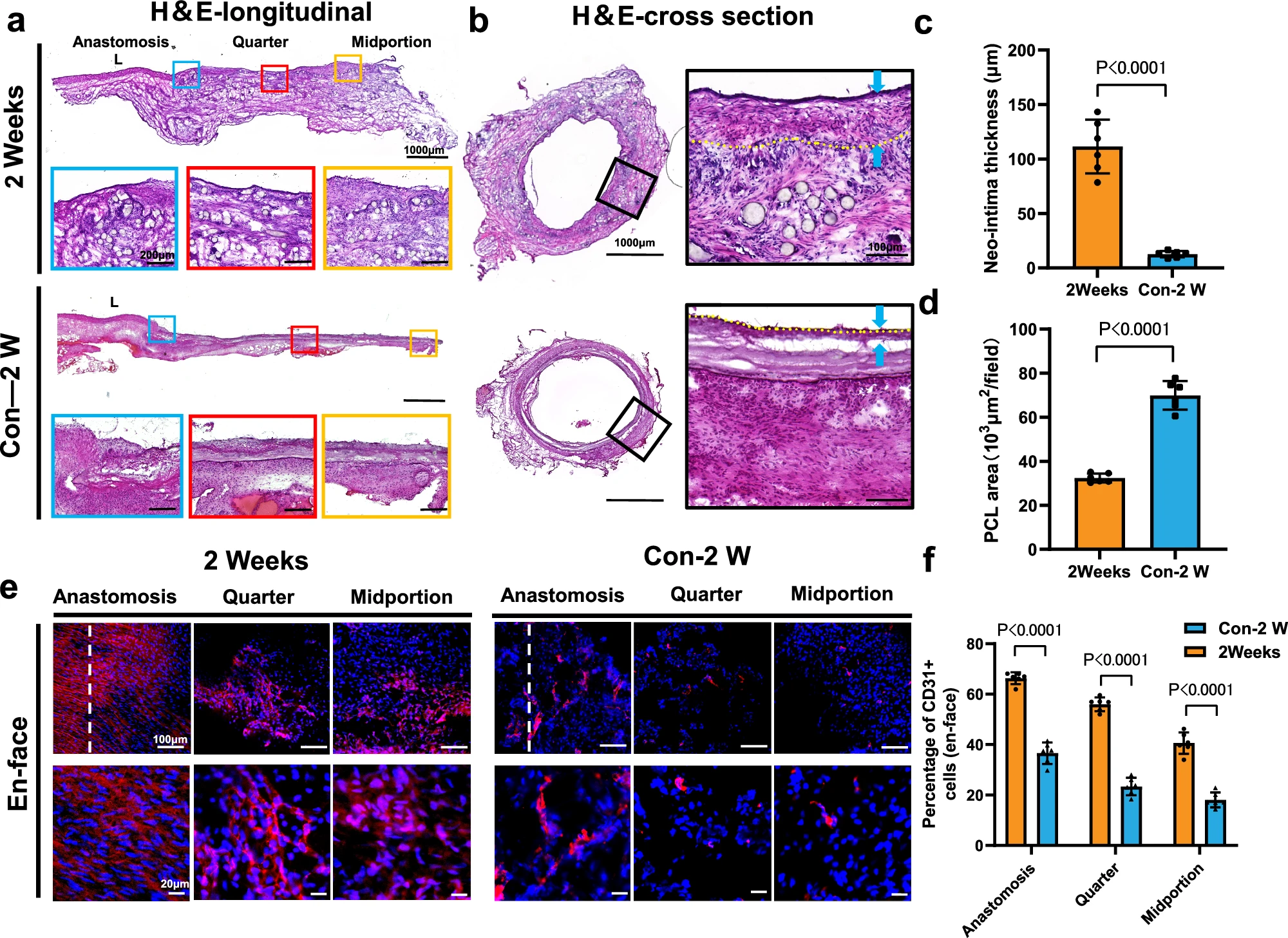
Fig. 3 neointimal regeneration and rapid endothelialization of vascular grafts (MnVGs) within 2 weeks
3. Cellular regulatory mechanisms
Through single-cell sequencing, spatial transcriptome and cell communication analysis, it was found that the enriched LYVE + lymphatic endothelial cells during graft regeneration, and the enriched LYVE + lymphatic endothelial cells during graft regeneration were significantly associated with graft regeneration, CD93 +/CD34 + endothelial cells in the blood can be directionally recruited to colonize the lumen through signal communication, which in turn mediates rapid endothelialization of the graft, revealing key cellular regulatory mechanisms.
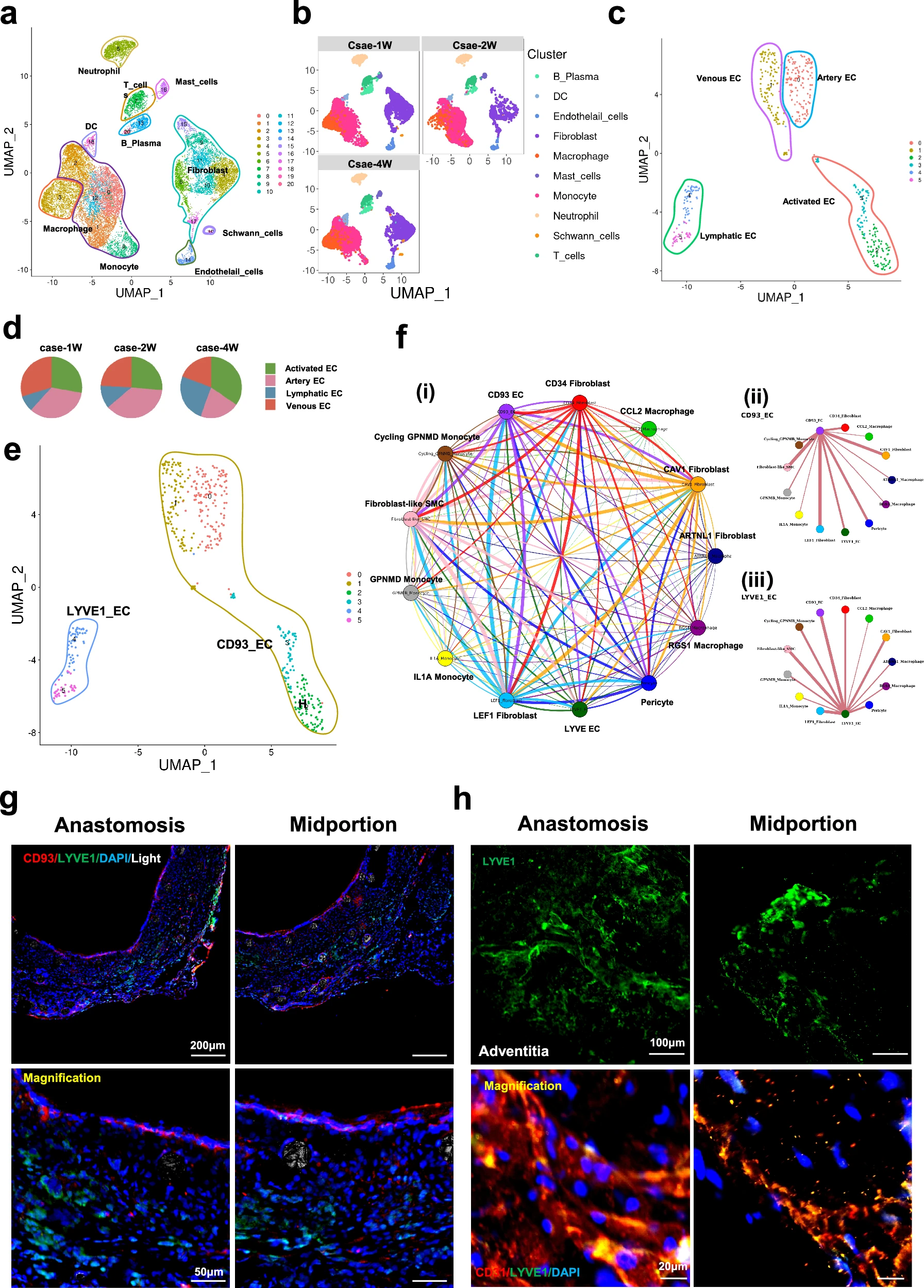
Fig. 4 schematic diagram of key cellular regulatory mechanisms
Conclusion
Conclusion, in this study, micro-nano hierarchical vascular grafts (MnVGs) were constructed by electrospinning and EHD printing composite technology to achieve a reasonable balance between mechanical strength and cell permeability. The graft can effectively promote the rapid ingrowth of the tunica adventitia neoplasia and achieve rapid endothelialization two weeks after surgery, showing a high patency rate of 90% in a rabbit carotid artery defect model, the structure and function of long-term regenerated vessels are similar to those of native arteries. The mechanism study further confirmed that the lymphatic endothelial cells in the neointima could recruit the circulating endothelial cells to colonize the lumen through signaling communication, and then mediate the rapid endothelialization of the graft, this series of results provide a new strategy and theoretical basis for the design optimization and clinical transformation of small diameter vascular prosthesis.